

From compacted soil to living soil.
Did you miss the virtual field day at Little Dog Farm?
Cover cropping, combined with liquid biological inoculants, has become one of Ian’s primary practices for rebuilding soil function across the farm.
When Ian and Cathy first arrived, much of the soil was highly compacted and structureless.
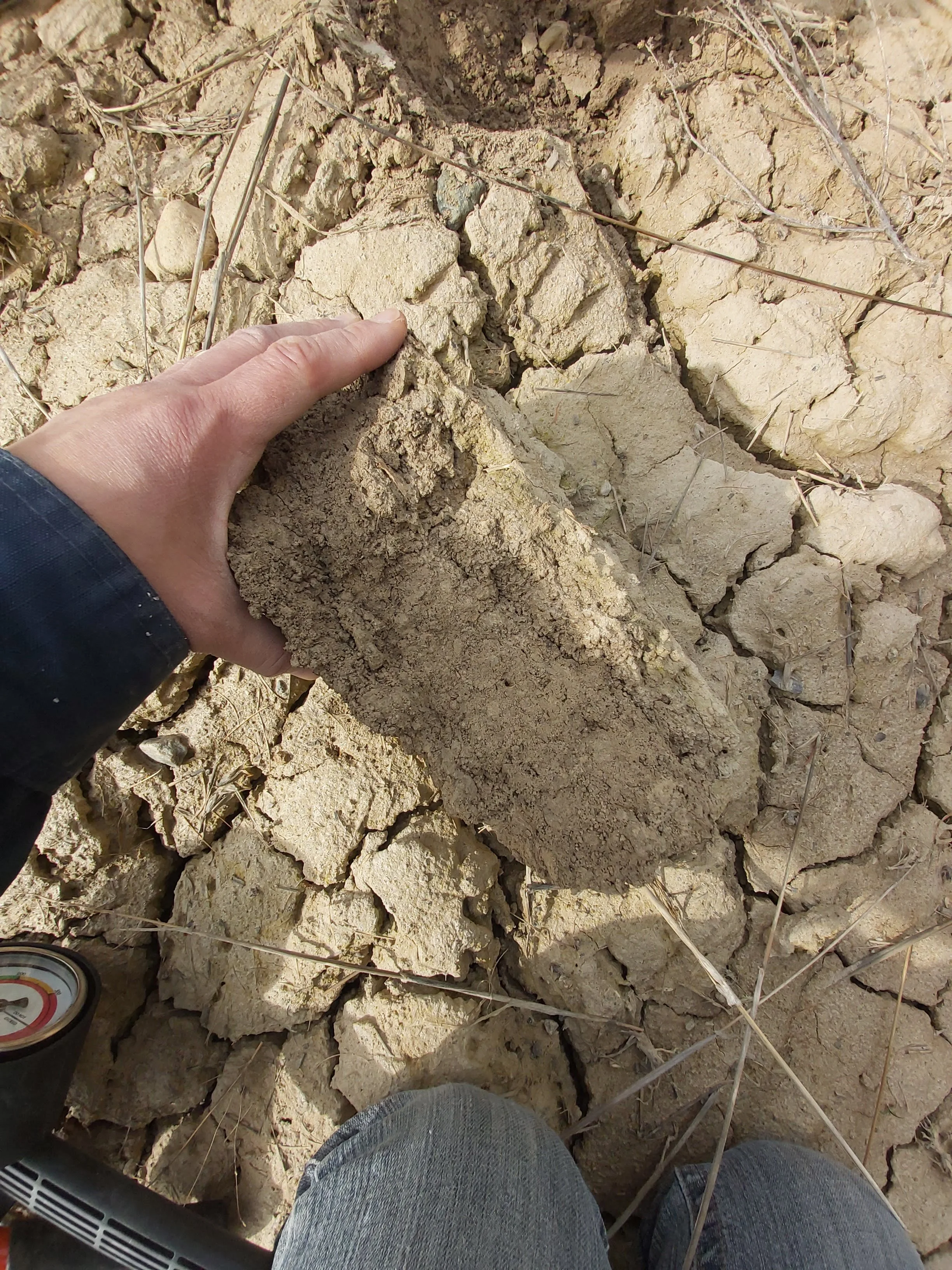
Spring 2021
A hard, tight field where the roots have difficulty penetrating.
Today, the orchard floor looks different.
Ian’s cover crop management includes strategically mowing once a month, with some sections left growing while others are cut. This keeps living plants and flowers available for beneficial insects while continuously returning plant material to the soil.
When the covers are mowed, the cut biomass becomes surface residue.
As it decomposes, it returns nutrients and organic matter to the soil while feeding belowground micro-livestock.
Over time, this cycle of plant growth, mowing, and decomposition helps transform tight, compacted soil into a more structured habitat.
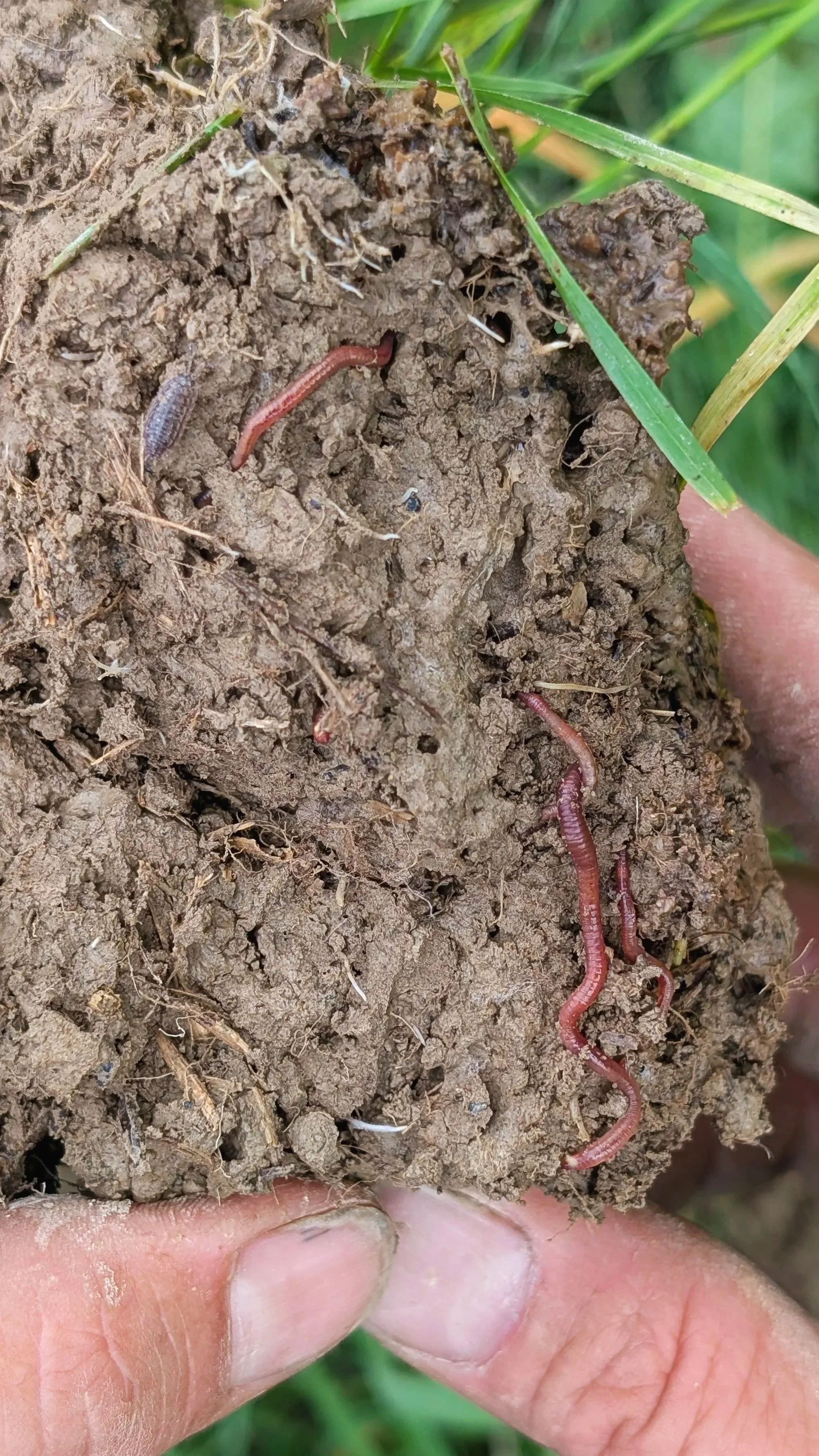
Summer 2026
One where roots can penetrate more easily, water and air can flow freely, and soil organisms have space to move, feed and interact.
It also keeps nutrients moving within the orchard.
Instead of nutrients simply leaving the system, they are continually captured by plants, released through plant residues, and cycled through the feeding and activity of soil organisms.
It’s a great example of what can happen when we stop thinking about soil as something we simply add inputs to and begin rebuilding the biological processes that allow it to function.
You can now watch the full virtual field day at Little Dog Farm here:
Watch the Virtual Field Day
→ Cover Cropping for Orchard Soil Health: A Virtual Field Day at Little Dog Farm ←
